Praktyczny przegląd cen oświetlenia krajobrazu na 2026 rok: koszty opraw według typu, budżet na transformator i okablowanie, koszty instalacji oraz sposób porównywania ofert od chińskich producentów, takich jak OKELI LIGHTING.
O co faktycznie pytają kupcy w kwestii kosztów oświetlenia krajobrazu
Co tydzień wykonawcy, architekci krajobrazu i deweloperzy zadają nam to samo pytanie: ile kosztuje oświetlenie krajobrazu w 2026 roku? Szczera odpowiedź brzmi: całkowity koszt zależy od czterech rzeczy — wybranych opraw, systemu zasilania, kosztów instalacji oraz producenta. Ten przewodnik rozkłada każdą warstwę na czynniki pierwsze, podając realne liczby, dzięki czemu można zaplanować budżet projektu przed wysłaniem zapytania ofertowego.
Jeśli pozyskują Państwo oprawy bezpośrednio od producenta, a nie kupują w detalu, liczby zmieniają się diametralnie. Reflektor LED 20W do oświetlenia krajobrazu, który w amerykańskim sklepie wielkopowierzchniowym kosztuje 60–90 USD, można pozyskać z fabryki takiej jak OKELI LIGHTING za ułamek tej ceny przy zakupie hurtowym. Zrozumienie obu poziomów cen — detalicznego i fabrycznego — odróżnia dochodową firmę instalacyjną od tej, która ledwo wiąże koniec z końcem.
Koszty opraw według typu w 2026 roku
Ceny opraw różnią się bardziej ze względu na jakość wykonania niż kategorię. Oto jak wygląda rynek w tym roku:
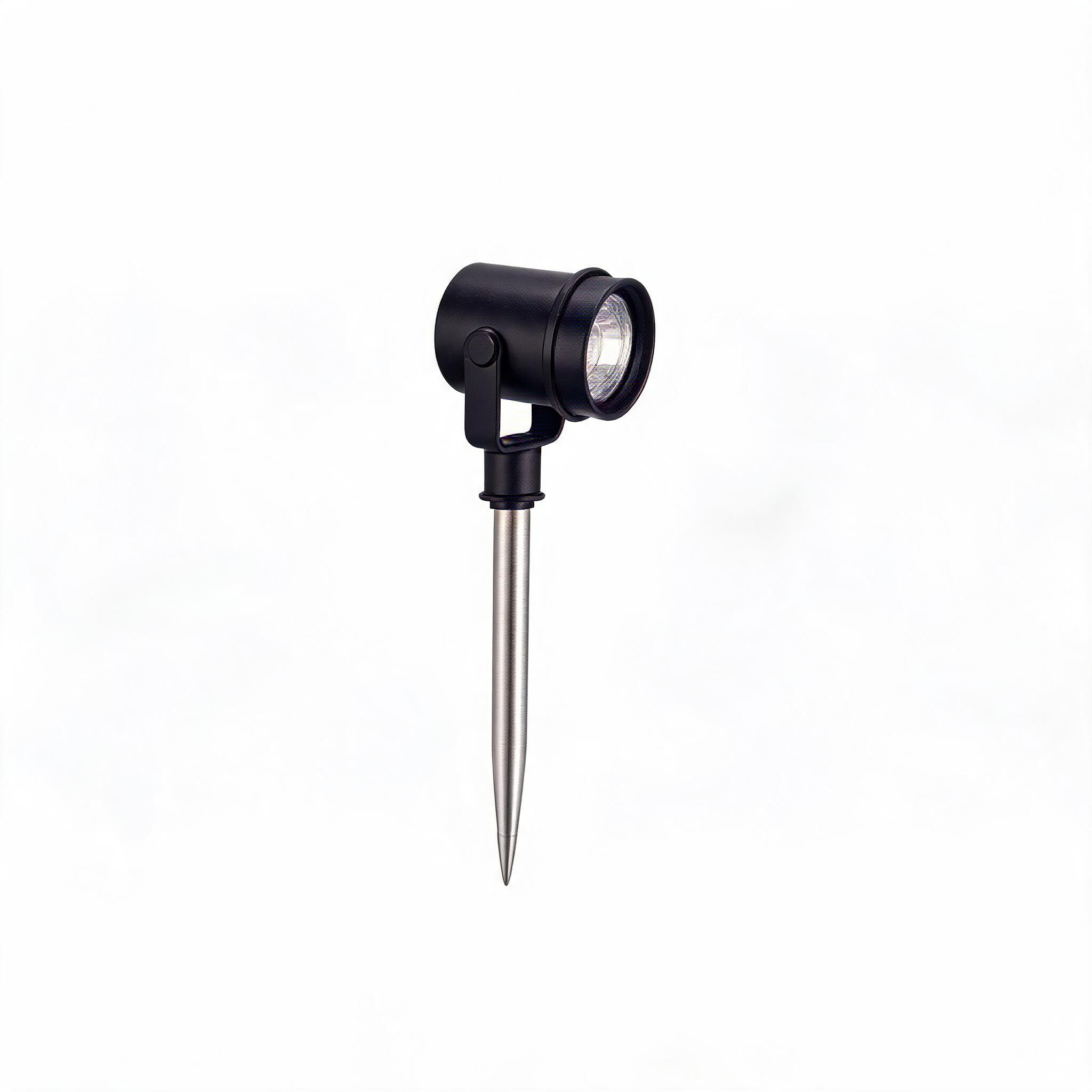
- Reflektory krajobrazowe: Cena detaliczna 40–120 USD za sztukę. Reflektor 10W z odlewanego ciśnieniowo aluminium z regulowanym kątem świecenia 15°–60° znajduje się na dolnym końcu; jednostka 50W klasy komercyjnej o strumieniu 4000 lumenów na górnym. Zobacz nasz reflektor LED 10W do krajobrazu oraz reflektor komercyjny 50W w celu zapoznania się ze specyfikacjami referencyjnymi.
- Oprawy słupkowe i ścieżkowe: Cena detaliczna 50–150 USD. Konstrukcja ze stali nierdzewnej z uszczelnieniem IP67 podnosi cenę, ale znacznie zmniejsza liczbę reklamacji gwarancyjnych. Nasza oprawa słupkowa ze stali nierdzewnej 60 cm to typowa specyfikacja komercyjna ze średniej półki.
- Naświetlacze: Cena detaliczna 35–200 USD w zależności od mocy. Naświetlacz 30W IP65 z odlewanego ciśnieniowo aluminium o strumieniu 2700 lumenów pokrywa większość zastosowań elewacyjnych i obwodowych.
- Oprawy wpuszczane w ziemię: Cena detaliczna 60–180 USD. Szkło hartowane i ramy ze stali nierdzewnej 316 to absolutna konieczność w przypadku podjazdów narażonych na obciążenia pojazdami.
- Solarne oprawy ścieżkowe: Cena detaliczna 15–60 USD. Jakość jest bardzo zróżnicowana; solarna oprawa ścieżkowa ze stali nierdzewnej 304 o klasie IP67 kosztuje więcej na początku, ale przetrwa sezony, które niszczą tanie plastikowe odpowiedniki.
System zasilania: transformatory, okablowanie i sterowniki
Oprawy to tylko połowa budżetu. Systemy niskonapięciowe wymagają transformatora o mocy równej w przybliżeniu całkowitej mocy opraw plus 20% zapasu. Typowy projekt mieszkalny z 12 reflektorami po 20W każdy wymaga transformatora 300W, który kosztuje 80–250 USD w detalu. Okablowanie niskonapięciowe 12/2 kosztuje około 0,30–0,80 USD za stopę w zależności od cen miedzi, które są zmienne.
Komercyjne instalacje zasilane napięciem sieciowym nie wymagają transformatora, ale wymagają licencjonowanych elektryków, rur ochronnych i puszek połączeniowych — co często podwaja koszt pozycji elektrycznej. Dlatego wielu komercyjnych nabywców wybiera obecnie oprawy z szerokozakresowymi sterownikami (100–277 V AC), które upraszczają projekt zasilania. Przy zakupie od producenta warto zapytać, czy sterownik jest komponentem markowym, czy też bezmarkowym odpowiednikiem; różnica ujawnia się we wskaźniku awaryjności w ciągu 18 miesięcy.
Koszty instalacji: największa pozycja w budżecie
Na rynku amerykańskim profesjonalna instalacja kosztuje 75–150 USD za godzinę za technika lub 100–300 USD za zamontowaną oprawę. Typowy projekt na przednim podwórku z 20 oprawami to zwykle 2 500–5 000 USD za samą robociznę. Projekty komercyjne również są wyceniane za oprawę, ale wykopy pod oprawy wpuszczane w ziemię i montaż na masztach w przypadku naświetlaczy o dużej mocy dodają koszty zależne od lokalizacji.
Oprawy solarne zmieniają te wyliczenia. Ponieważ nie wymagają okablowania, instalacja skraca się do kilku minut na jednostkę — to realna zaleta w przypadku ścieżek miejskich, parków i obiektów hotelarskich, gdzie wykopy w istniejącym zagospodarowaniu terenu są kosztowne lub zabronione. Nasza solarna oprawa ścieżkowa ze stali nierdzewnej 304 została zaprojektowana specjalnie z myślą o instalacjach bez wykopów.
Typowe budżety projektów w 2026 roku
- Małe przedmieście (8–12 opraw): 1 800–4 500 USD z instalacją, przy użyciu reflektorów 10W–20W i 4–6 opraw ścieżkowych.
- Cała posesja mieszkalna (20–30 opraw): 4 000–9 000 USD z instalacją, z mieszanką reflektorów, opraw słupkowych i opraw schodowych.
- Plac komercyjny lub wspólnota mieszkaniowa (50+ opraw): 15 000–60 000+ USD, zwykle projektowany przez projektanta oświetlenia z oprawami wpuszczanymi w ziemię, myjkami ściennymi i ciągami opraw słupkowych.
- Miejski projekt solarnych ścieżek: 80–200 USD za jednostkę z instalacją, bez wykopów i bez bieżących kosztów energii elektrycznej.
Na co naprawdę idą pieniądze — i jak to ograniczyć
W typowym projekcie z instalacją około 30% to oprawy, 15% to zasilanie i okablowanie, a 55% to robocizna. Udział robocizny jest stały dla instalatorów, ale to udział opraw decyduje o marży dystrybutorów i firm instalacyjnych. Zakup opraw w detalu po 70 USD za sztukę i odsprzedaż po kosztach nie daje nic; pozyskanie tej samej specyfikacji bezpośrednio z fabryki całkowicie zmienia równanie.
To główny argument za współpracą bezpośrednio z producentem. OKELI LIGHTING produkuje reflektory z odlewanego ciśnieniowo aluminium, słupki ze stali nierdzewnej, solarne oprawy ścieżkowe i komercyjne girlandy świetlne pod jednym dachem, z obsługą OEM i ODM oraz cenami hurtowymi, które zwykle są o 40–60% niższe niż odpowiedniki detaliczne. Pełną gamę produktów można zobaczyć na naszej stronie produktów i porównać specyfikacje obok siebie.
Jak porównywać oferty jak kupiec, a nie jak klient detaliczny
Gdy dwie oferty różnią się o 30%, różnica prawie zawsze tkwi w szczegółach. Porównaj te pięć pozycji punkt po punkcie:
- Materiał obudowy: Odlew ciśnieniowy aluminium w porównaniu z blachą i plastikiem. Aluminium z wykończeniem proszkowym jest odporne na korozję przez dekadę; cienka blacha nie.
- Klasa szczelności: IP65 wytrzymuje deszcz; IP67 przetrwa krótkotrwałe zanurzenie. W przypadku opraw wpuszczanych w ziemię i podwodnych jedyną akceptowalną klasą jest IP68.
- Deklarowana żywotność diod LED: Renomowani producenci podają 50 000 godzin na podstawie testów LM-80 pakietu LED, a nie wartości marketingowych.
- Marka sterownika: Poproś o kartę katalogową sterownika. To komponent, który najczęściej ulega awarii jako pierwszy.
- Warunki gwarancji: 2–5 lat to standard w uznanych fabrykach. Gwarancja bez sprawnego procesu reklamacyjnego jest niewiele warta.
Przykładowe scenariusze kosztów z realnymi oprawami
Rozważmy renowację wejścia do hotelu: sześć reflektorów 20W do podświetlenia palm, osiem słupków 60 cm wzdłuż podjazdu i cztery oprawy wpuszczane w ziemię przy portyku. Przy cenach fabrycznych pakiet opraw może kosztować łącznie 900–1 400 USD — podczas gdy ta sama specyfikacja kupiona w detalu kosztowałaby 2 500–3 500 USD. Instalator zachowuje marżę za robociznę i zyskuje pole do konkurowania ceną w przetargu.
Albo modernizacja budynku mieszkalnego: dziesięć reflektorów 10W z regulowanym kątem świecenia do akcentów ogrodowych, plus transformator 150W i 200 stóp kabla. Oprawy pozyskane z fabryki do tego projektu kosztują mniej niż sama cena detaliczna transformatora.
Najczęściej zadawane pytania
Czy oświetlenie krajobrazu zwiększa wartość nieruchomości? Rzeczoznawcy i agenci nieruchomości konsekwentnie potwierdzają, że profesjonalne oświetlenie zewnętrzne poprawia atrakcyjność wizualną i poczucie bezpieczeństwa, co wspiera ceny wywoławcze. Zwrot z inwestycji jest najwyższy w przypadku nieruchomości wystawianych na sprzedaż na rynkach, gdzie pokazy odbywają się wieczorem.
Czy oświetlenie solarne czy przewodowe jest ogólnie tańsze? Solarne wygrywa pod względem kosztów instalacji (bez okablowania i transformatora) oraz kosztów eksploatacji (zero energii elektrycznej). Przewodowe wygrywa pod względem strumienia świetlnego i niezawodności. W przypadku ścieżek i obrzeży solarne jest zwykle tańsze w całkowitym rozrachunku; do podświetlania dojrzałych drzew reflektory przewodowe zapewniają intensywność, której solarne nie są w stanie osiągnąć.
Jak długo działają oprawy LED do krajobrazu? Wysokiej jakości oprawy z diodami LED o żywotności 50 000 godzin i uszczelnionymi sterownikami działają 10+ lat w warunkach zewnętrznych. Słabymi punktami są uszczelki i sterowniki, dlatego konstrukcja obudowy i jakość sterownika mają większe znaczenie niż sama dioda LED.
Jaki jest realistyczny budżet na konserwację? Należy zaplanować czyszczenie soczewek i regulację kąta świecenia raz w roku oraz zarezerwować 2–3% kosztu opraw rocznie na wymiany. Oprawy solarne wymagają wymiany baterii co 2–3 lata w zależności od jakości ogniw.
Uzyskanie wyceny od producenta
Jeśli kupują Państwo do projektu, dla firmy instalacyjnej lub dystrybucji, prosimy o przesłanie zapytania ofertowego z listą opraw, docelowymi ilościami i portem docelowym. Producent taki jak OKELI LIGHTING może przedstawić cenę, czas realizacji i opcje OEM w ciągu kilku dni. Więcej wskazówek dotyczących zakupów można znaleźć w naszych innych przewodnikach w dziale aktualności i blogalub zapoznać się z konkretnymi oprawami, takimi jak reflektor 20W z regulowanym kątem świecenia oraz ogrodowa oprawa ścieżkowa ze stali nierdzewnej 6W.
Podsumowując rok 2026: ceny opraw są stabilne, koszty robocizny rosną, a wygrywają ci kupcy, którzy kontrolują koszt opraw dzięki bezpośredniemu pozyskiwaniu z fabryki. Znaj specyfikację, porównuj oferty pod kątem pięciu powyższych szczegółów i uczciwie zaplanuj budżet na robociznę — reszta to kwestia wykonania.