
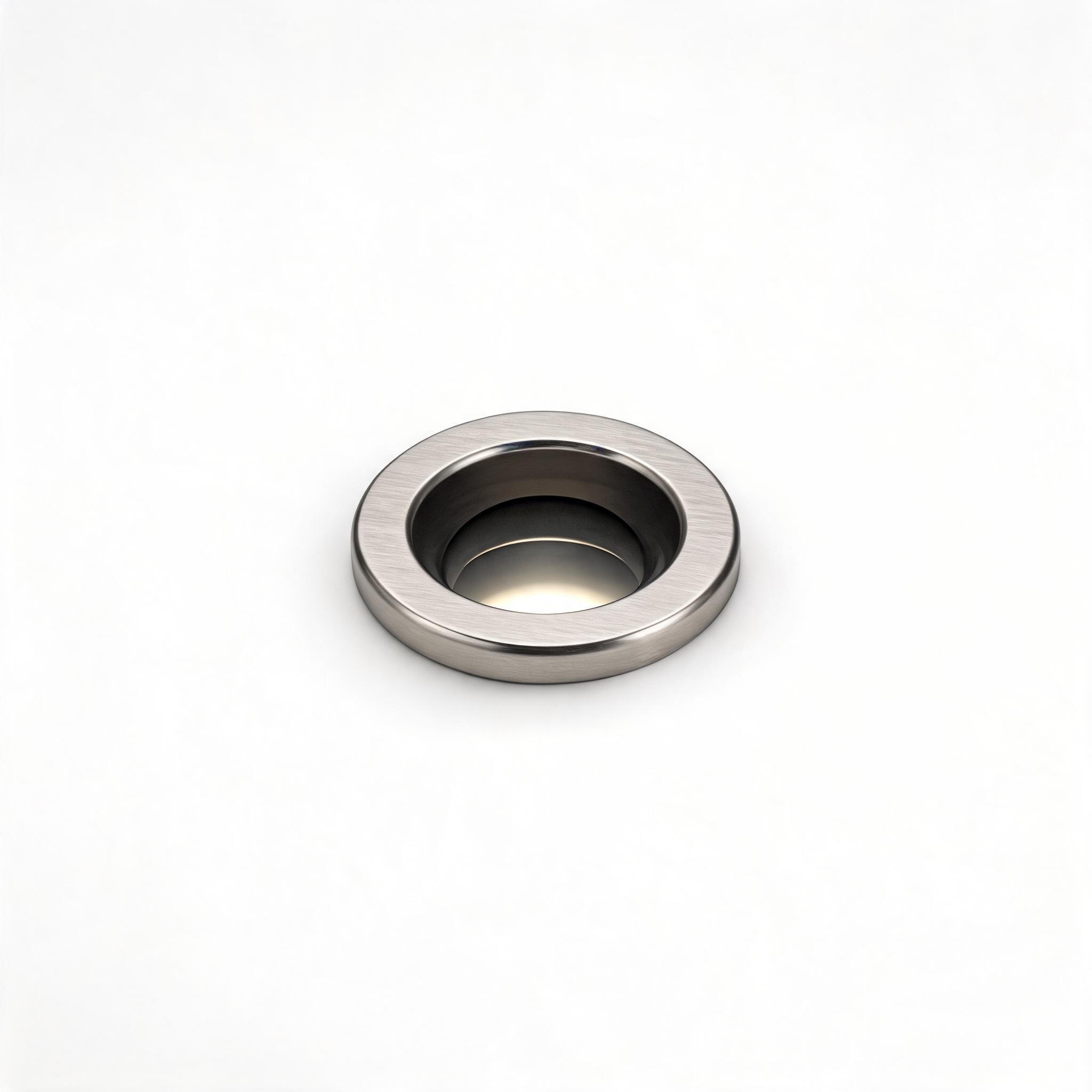
Una guía práctica de mantenimiento para luces solares para exteriores: limpieza mensual de paneles, rutinas estacionales, cuidado de la batería, solución de problemas y un programa que puede entregar a un equipo de mantenimiento.
Por qué el mantenimiento importa más en la energía solar que en la cableada
Las luminarias de paisaje cableadas fallan de forma visible: una bombilla se funde, un transformador se dispara. Las luminarias solares fallan silenciosamente: la batería pierde un poco de capacidad cada mes, el panel acumula una película de polvo, una junta se comprime una fracción de milímetro. Ninguno de estos problemas es perceptible en una noche cualquiera, por lo que una instalación solar que no recibe mantenimiento suele estar a la mitad de su rendimiento original en dos años. La buena noticia: el mantenimiento solar es sencillo, económico y, en su mayoría, estacional. Esta guía le ofrece la rutina exacta.
La rutina mensual (2 minutos por luminaria)
Dos tareas, una vez al mes, mantienen la salida cerca de lo especificado:
- Limpie el panel. El polvo, el polen, los excrementos de aves y el exceso de aspersión del riego pueden reducir la salida del panel entre un 20 y un 40 %. Un paño húmedo sobre la superficie del panel es la tarea de mantenimiento de mayor valor en la iluminación solar. En entornos polvorientos o con alto nivel de polen, hágalo cada dos semanas.
- Revise la lente. Retire hojas, mantillo o tierra que hayan salpicado la lente. Las lentes obstruidas crean puntos oscuros que se interpretan como una falla de la luminaria, incluso cuando esta funciona correctamente.
La rutina estacional
Primavera: Después del invierno, verifique el tiempo de funcionamiento de cada luminaria con respecto a sus especificaciones. Una unidad que funciona notablemente menos horas que sus vecinas tiene una batería agotada: programe su reemplazo antes de la temporada alta. Limpie los paneles acumulados de suciedad invernal y vuelva a asentar las luminarias que el levantamiento por heladas haya desalineado.
Otoño: Retire las hojas caídas de las áreas del panel y la lente; una hoja que permanece sobre un panel durante una semana puede descargar por completo la batería que se encuentra debajo. Pode el crecimiento que haya cubierto los paneles durante el verano.
Invierno (climas helados): Dos opciones. O bien haga funcionar las luminarias con regularidad (una batería mantenida en ciclos poco profundos sobrevive mucho mejor al frío que una que se deja descargada), o bien retire los paquetes de baterías y guárdelos en interiores con una carga de aproximadamente el 50 %. Mantenga los paneles libres de nieve; un panel enterrado no carga nada. En zonas costeras, enjuague la sal marina de las carcasas de acero inoxidable trimestralmente para evitar la corrosión por picaduras.
Cuidado de la batería: el núcleo del mantenimiento solar
La batería es el componente que realmente se mantiene. Tres reglas prolongan su vida de forma drástica:
- Evite la descarga profunda. Las baterías que se descargan por completo con regularidad envejecen más rápido. Por eso es importante el control automático de crepúsculo a amanecer: evita que las luminarias se dejen encendidas manualmente y se agoten. Nuestra luz solar para camino con control automático de tiempo de funcionamiento gestiona esto automáticamente.
- Reemplace al 70–80 % de capacidad, no cuando falle. Cuando el tiempo de funcionamiento caiga a aproximadamente el 70 % de lo especificado, cambie la batería. Restaurará el rendimiento completo y evitará los ciclos profundos que dañan el circuito de control.
- Use el reemplazo correcto. Haga coincidir la química (LiFePO4 con LiFePO4), el voltaje y la capacidad. Mezclar químicas daña el circuito de carga.
Si sus luminarias tienen paquetes reemplazables —y las luminarias de grado profesional deberían tenerlos—, un cambio de batería toma menos de un minuto por unidad. Pida paquetes de repuesto con el envío original; cuestan una fracción del reemplazo de la luminaria y extienden la vida de la flota por años.
Solución de problemas comunes
La luz funciona menos horas que antes: Limpie el panel primero. Si el tiempo de funcionamiento sigue siendo corto, la batería ha perdido capacidad: reemplácela. Si una batería nueva no lo soluciona, el panel o el circuito de carga se están degradando.
La luz no se enciende al anochecer: Compruebe que la fotocélula no esté frente a una luz de porche o una farola: la luz ambiental convence al sensor de que todavía es de día. Reubique o proteja el sensor.
La luz es tenue: Por lo general, se trata de una lente amarillenta o sucia, no de un LED moribundo. Limpie la lente; si el amarillamiento se debe a daño por rayos UV en el acrílico desnudo, la lente necesita reemplazo: una de las razones por las que las luminarias profesionales usan policarbonato estabilizado contra rayos UV o vidrio.
Agua dentro de la lente: La junta ha fallado. Seque la unidad, reemplace la junta y vuelva a sellar. Si la entrada de agua se repite, la costura de la carcasa se ha corroído y la luminaria debe retirarse antes de que se produzca un cortocircuito.
La luminaria parpadea: Por lo general, es un contacto suelto de la batería o un terminal corroído. Limpie los contactos con alcohol isopropílico y verifique la tensión del resorte.
Lo que el mantenimiento no puede solucionar
Sea honesto acerca de los límites. Ningún mantenimiento rescata una luminaria cuya carcasa fue subdimensionada para su entorno: unidades de plástico a pleno sol, acero 304 en una carretera costera con descongelante. Y ningún mantenimiento corrige un panel subdimensionado; si una luminaria nunca alcanza la carga completa incluso cuando está limpia y sin sombra, el desajuste panel-batería es un defecto de diseño, no una falta de mantenimiento. Por eso la especificación —no el mantenimiento— es la primera mitad de la ecuación de la vida útil, como cubrimos en nuestra guía sobre cuánto duran las luces solares para caminos.
Un programa de mantenimiento que puede entregar a un equipo
- Mensual: Limpie los paneles y las lentes. 2 minutos por luminaria.
- Trimestral: Verifique los tiempos de funcionamiento contra las especificaciones; marque las unidades por debajo del 80 %. Enjuague las carcasas en zonas costeras.
- Primavera: Inspección completa, reemplazo de baterías para las unidades marcadas, realineación de luminarias levantadas por heladas.
- Otoño: Plan de limpieza de hojas, pode el crecimiento sobre los paneles, verifique el funcionamiento de la fotocélula.
- Invierno: Limpieza de nieve de los paneles; extracción de baterías en climas extremos si se prefiere.
Para una propiedad con 50 luminarias, este programa totaliza aproximadamente un día de trabajo al año: un costo pequeño en comparación con reemplazar toda la flota cada dos temporadas.
Preguntas frecuentes
¿Con qué frecuencia debo limpiar los paneles de las luces solares? Mensualmente en condiciones normales, cada dos semanas en entornos polvorientos, con alto nivel de polen o costeros. La limpieza del panel es el factor individual más importante en el rendimiento de carga.
¿Debo guardar las luces solares en el interior durante el invierno? No es necesario en climas templados. En climas helados, o bien hágalas funcionar con regularidad, o bien retire las baterías y guárdelas en interiores con una carga de aproximadamente el 50 %.
¿Por qué una de mis luces solares es más tenue que las demás? Por lo general, sombra en su panel, una lente sucia o una batería que envejeció más rápido. Limpie, verifique si hay nuevas fuentes de sombra y luego pruebe con una batería nueva.
¿Puedo reemplazar las baterías de las luces solares por otras de mayor capacidad? Haga coincidir la química, el voltaje y el tamaño físico originales. Un aumento moderado de capacidad dentro de la misma química suele ser aceptable; una química diferente puede dañar el circuito de carga.
¿Cuánto tiempo deben durar las baterías de las luces solares para caminos? NiCd de 1 a 2 años, NiMH de 2 a 3 años, LiFePO4 de 4 a 6 años. Reemplace al 70–80 % de capacidad en lugar de esperar a que fallen.
Mantenga la flota en funcionamiento
La iluminación solar recompensa a las propiedades que le dedican diez minutos al mes. Si está especificando o adquiriendo luminarias solares, elija unidades diseñadas para la facilidad de mantenimiento: baterías reemplazables, carcasas selladas de acero inoxidable, control automático de crepúsculo a amanecer. Explore la gama OKELI LIGHTING, compare nuestros modelos solares para caminos en blanco cálido y blanco frío , y lea más guías en la sección de noticias.