
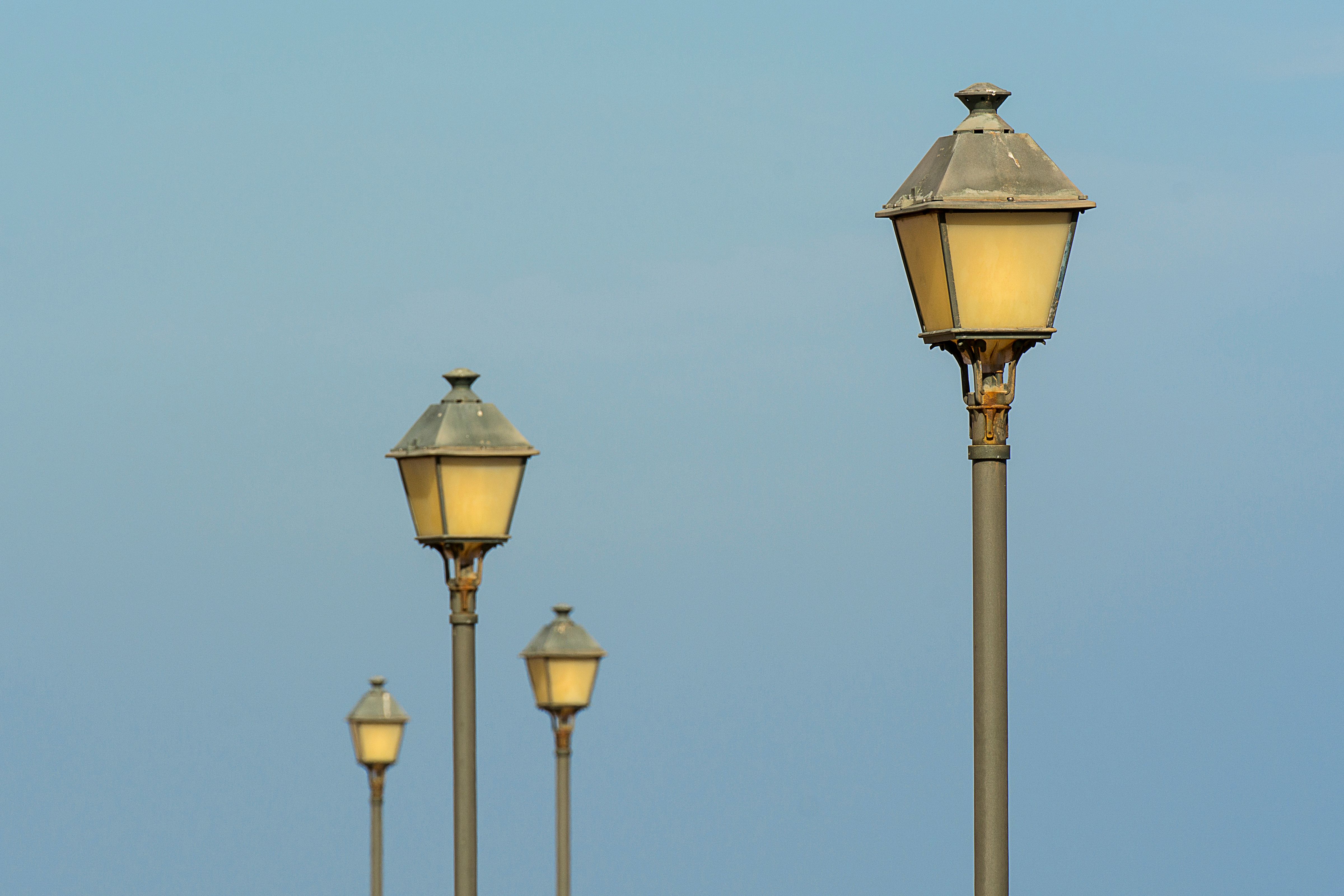
A technical guide to International Dark Sky Association certification requirements, shielding angles, and light output distribution for compliant outdoor lighting.
International Dark Sky Association standards
IDA certification requires that luminaires emit no light above the 90° horizontal plane (0% uplight). They must also limit light spill onto neighboring properties: no more than 0.1 foot-candles at the property line for residential zones and 0.5 foot-candles for commercial zones. OKELI full cutoff luminaires are designed to meet these requirements.
Luminaire shielding requirements
Compliant luminaires use full cutoff optics with a shielding angle of at least 15° below horizontal. The reflector design must prevent light from exiting above the luminaire's horizontal plane. Lens materials are UV-stable polycarbonate or tempered glass that maintain optical performance for more than 10 years.
Light distribution and beam angles
Dark Sky compliant luminaires typically use 40–60° beam angles to concentrate light on target surfaces. Wider angles (90°+) require additional shielding and rarely pass certification. The OKELI landscape spotlight range offers several options and adjustable beam angles, so light distribution can be matched to a specific project.
Color temperature limits
IDA recommends 2700K or warmer for outdoor lighting to reduce effects on circadian rhythms and wildlife. Luminaires with a color temperature above 3000K are subject to restrictions in sensitive areas. OKELI's standard outdoor range is predominantly 3000K warm color temperature, and alternative temperatures are discussed upon request.
Certification process and documentation
Manufacturers submit photometric data, luminaire drawings, and installation instructions to IDA for review. Certification takes 6–8 weeks. Light distribution documentation and Dark Sky compliance documentation for OKELI luminaires are provided to designers upon request.